
Farmers growing field crops often struggle with problems: wheat has weak root systems and is prone to lodging after greening up; corn's leaves curl during the tasseling stage due to drought; and rice grains are not plump during the grain-filling stage… Despite applying a lot of fertilizer, yield and quality remain low. The problem lies in "choosing the wrong fertilizer"—ordinary chemical fertilizers only supplement nitrogen, phosphorus, and potassium, neglecting the crucial needs of crops for both survival and increased yield: strong root systems, disaster resistance, and healthy fruit development. Concentrated seaweed fertilizer is an organic water-soluble fertilizer that can solve these problems in one go, suitable for wheat, corn, rice, and soybeans!
First, understand: Why can't field crops do without concentrated seaweed extract?
Many people think "seaweed fertilizer is just ordinary organic fertilizer," but this is a huge misconception! Genuine concentrated seaweed extract is derived from deep-sea brown algae (such as *Leptochloa crus-galli* and *Kelp*), containing three "golden components" not found in ordinary fertilizers, perfectly addressing the essential needs of field crops:
* **Seaweed polysaccharides + mannitol:** Like a protective layer for crop roots, it locks in soil moisture and stimulates the growth of more fine roots, ensuring stable water and nutrient absorption even in drought or flooding.
* **Natural growth hormones (cytokinins + gibberellins):** Not chemical hormones! They promote tillering in wheat, jointing in corn, and heading in rice, resulting in strong stems and leaves without excessive vegetative growth, significantly enhancing lodging resistance.
* **Chelated micronutrients (calcium, magnesium, zinc, boron):** Field crops often lack magnesium (yellowing leaves) and boron (bald tips in corn, small ears in wheat). The chelated elements in seaweed extract are quickly absorbed and precisely replenished, eliminating the need to purchase separate micronutrient fertilizers.
More importantly, it's an organic water-soluble fertilizer that penetrates quickly through fertigation and foliar spraying, without compacting the soil. In fields where chemical fertilizers have been used long-term, using it with seaweed extract will loosen the soil and encourage deeper root growth!
3 Core Benefits: Visible Changes for Field Crops!
Whether planting wheat, corn, or rice, the effects of genuine concentrated seaweed extract are immediately apparent, specifically in these three aspects:
1. Promotes strong root growth: Root systems double, resilience doubles.
Wheat: Post-sowing application/seed dressing: Uniform and robust emergence; during the greening stage, the root system has 2-3 more layers of capillary roots than without treatment, preventing root rot and seedling death even in early spring low temperatures.
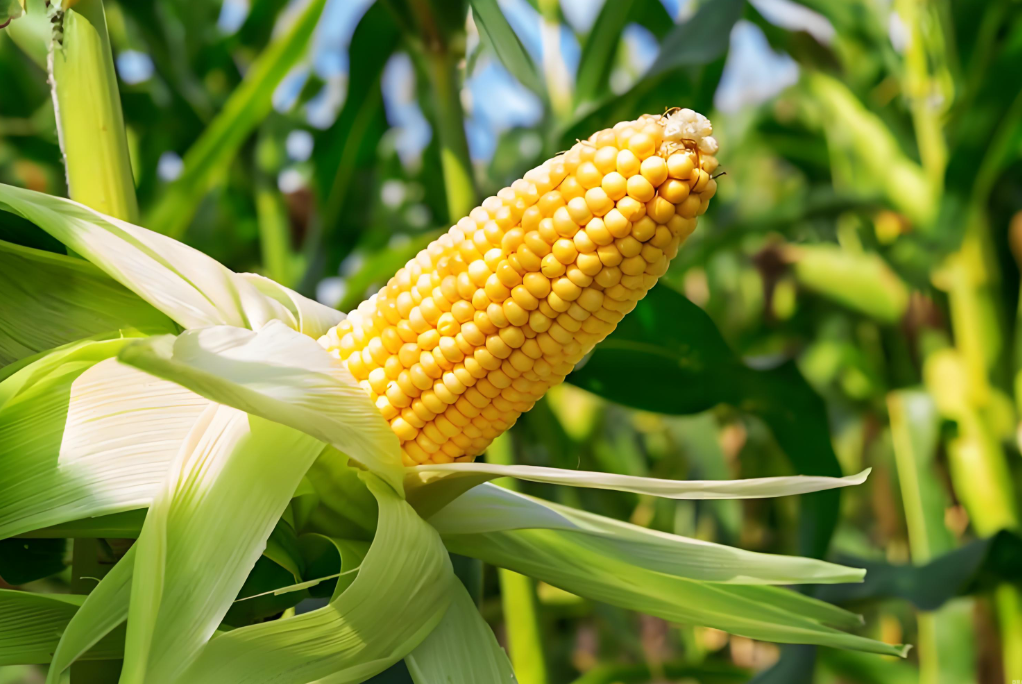
Corn: Seedling spraying: Roots can penetrate more than 50cm underground (compared to only 30cm for ordinary plants), making them less prone to lodging during typhoons and able to withstand water shortages thanks to their deep root system.
Rice: Post-transplanting root irrigation: Faster seedling establishment (3-5 days), more effective tillers, and an 8%-10% increase in the number of ears later. 2. Green Leaves and Beautiful Grains: Dark green leaves and plump grains.
Green Leaves: Spraying during wheat's jointing stage and corn's tasseling stage keeps leaves dark green for over 20 days, promoting strong photosynthesis and increasing dry matter accumulation—simply put, "leaves can store more nutrients."
Beautiful Grains: Spraying during rice's grain-filling stage and soybean's pod-setting stage accelerates grain filling and reduces empty grains by over 15%; applying after corn silking shortens tip barrenness, increases ear weight by 10%-12%, and produces brighter, plumper grains.
3. Drought and Stress Resistance: Emergency relief in extreme weather, reducing yield loss.
Leaf curling rate is 60% lower than unsprayed leaves, helping to retain moisture; Corn tasseling is delayed by only 2 days (compared to 5-7 days for unsprayed leaves), with no impact on later grain filling, ultimately resulting in a 3% higher yield per acre than in normal years. Even after flooding, it can help crops quickly restore root vitality, reduce root rot, and recover growth 7 days earlier than fields that were not treated.