
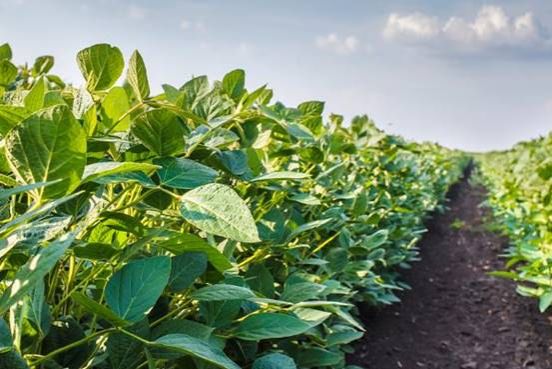
Soybean cultivation requires scientific fertilization according to the growth stage, focusing on supplementing phosphorus and potassium fertilizers, controlling nitrogen fertilizer application, and combining organic fertilizers with trace elements. The specific fertilization methods are as follows: Base Fertilizer Application
Organic Fertilizer: Apply 3000 catties of fully decomposed organic fertilizer (such as poultry manure or wood ash) per mu to improve soil fertility.
Chemical Fertilizer: Apply 50-70 catties of 51% NPK compound fertilizer per mu, combined with 250 g of boron fertilizer.
Acidic Soil: Apply calcium fertilizer (such as superphosphate) or lime to adjust the pH to 6.5-7.5 and promote nitrogen fixation by rhizobia.
Topdressing Management
Flowering and Pod-Setting Stage: Spray foliar fertilizer with 100 g of potassium dihydrogen phosphate and 30 g of boron fertilizer per mu to improve pollination and pod-setting rates.
Nutrition-Deficient Plots: Spray with a 1-2% urea solution 1-2 times later to supplement nitrogen. Micronutrient Supplementation
Molybdenum Fertilizer: Apply as a seed dressing or foliar spray to promote root nodule formation.
Calcium Fertilizer: Additional supplementation is needed for acidic soils; do not exceed 450 kg of lime per hectare.
Precautions
Nitrogen Fertilizer Control: Rhizobia can fix 2/3 of nitrogen; excessive nitrogen application will inhibit nitrogen fixation and increase costs.
Fertilizer Placement: Apply fertilizer deeply to the side (6-8 cm to the side of the seed, 5-8 cm below) or in layers to avoid burning the seeds.