
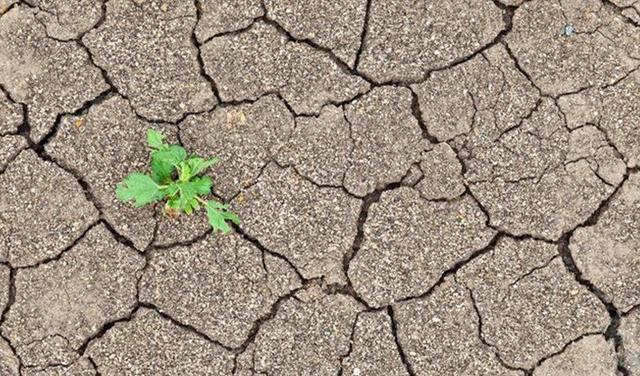
If the soil is compacted, it will make it difficult for crops to take root, reduce nutrient absorption, waste fertilizer, and easily lead to root rot during continuous rainy weather, resulting in severe crop yield reduction. Why does soil compaction occur? There are several main reasons:
1. Years of heavy application of chemical fertilizers lead to eutrophication of the soil surface, increasing acid radicals and basic ions. Combined with incorrect fertilization habits such as excessive nitrogen fertilization and insufficient phosphorus and potassium fertilization, soil compaction becomes increasingly severe.
2. Neglecting the application of organic fertilizers or farmyard manure, and being unwilling to purchase high-quality organic fertilizers, using inferior organic fertilizers not only fails to solve the problem of soil compaction but may even cause other damage to the soil, such as insect eggs and harmful bacteria.
3. Neglecting the return of straw to the field and insufficient green manure replenishment restricts the life activities of soil microorganisms, preventing the secretion of organic compounds and hindering the formation of soil aggregates.
4. Long-term, continuous, and improper mechanical operation, such as compaction and deep plowing, damages the original soil aggregate structure.
5. Soil erosion caused by wind, sand, or heavy rain carries away fine particles from the soil surface, leading to soil compaction.
1. Increase the input of commercial organic fertilizers and adopt straw return to the field to regulate soil structure and increase soil organic matter content.
2. Reduce the input of compound fertilizers and large chemical fertilizers. Based on the economic value and nutrient requirements of crops, and combined with scientific fertilizer management concepts, rationally apply water-soluble fertilizers and foliar fertilizers to reduce fertilizer use and increase efficiency. Combine organic and inorganic fertilizers, macro-elements and micro-elements, and add synergistic substances such as oligomeric catalytic enzymes, mineral-derived potassium humate, humic acid, and small-molecule organic carbon to break up soil compaction, improve fertilizer efficiency, improve crop quality, and increase crop yield.
3. Use more microbial agents and mineral-derived potassium humate. Beneficial microorganisms secrete large amounts of humus during their reproduction, effectively regulating the soil's water, air, and heat conditions, thereby improving the soil's ability to absorb water and nutrients. An increase in beneficial microorganisms can also reduce the occurrence of soil-borne diseases and degrade harmful substances deposited in the soil. Mineral-derived potassium humate contains abundant humic acid and fulvic acid, effectively increasing soil organic matter content and also promoting the survival of beneficial microorganisms; the two complement each other.