
In recent years, what exactly are the trace element water-soluble fertilizers that have emerged on the market? What are their advantages that have earned such widespread acclaim from farmers? Below, we will provide an in-depth analysis of these highly regarded fertilizers.
1. What Are Trace Element Water-Soluble Fertilizers?
Trace element water-soluble fertilizers typically refer to fertilizers containing micronutrients such as boron (B), manganese (Mn), molybdenum (Mo), copper (Cu), zinc (Zn), and iron (Fe). Trace elements play an irreplaceable and crucial role in the growth and development of plants, and their functions cannot be compensated for by macronutrients. Scientifically increasing the application of trace element fertilizers is essential to ensure normal plant growth and achieve high and stable crop yields. Currently, trace element water-soluble fertilizers have become a significant component of crop fertilization.
2. Functions and Characteristics of Trace Element Water-Soluble Fertilizers
Although crops require only small amounts of trace elements, their physiological functions are vital. Except for boron and chlorine, most trace elements are components of certain enzymes. They actively participate in carbohydrate and protein metabolism in plants, promote the synthesis and stability of chlorophyll, engage in redox reactions within crops, and enhance biological nitrogen fixation. Interactions between elements can be synergistic or antagonistic, making balanced supplementation particularly important.
The formulation of trace element fertilizers must consider the characteristics of both crops and soil. To meet different functional needs, specialized formulations of water-soluble trace element fertilizers are available. For example, in addition to general-purpose formulas, there are specialized formulas for specific stages such as flowering and fruit setting, vegetative growth, preventing drop and cracking, and promoting coloration. Each formula has its specific focus and targeted applications.
3. Precautions for Applying Trace Element Water-Soluble Fertilizers
-
Apply According to Soil, Climate, and Crop Requirements
Deficiencies in trace elements often occur when soil levels are low, so the principle of "supplementing what is lacking" should be followed. Different crops vary in their sensitivity and demand for trace elements. For example, vegetables like cabbage, rapeseed, mustard, and radish are highly sensitive to boron and require larger amounts. Fertilization plans should be tailored to the specific crops and environmental conditions to determine appropriate dosages. -
Combine with Organic Fertilizers
Combining organic fertilizers with chemical fertilizers enhances soil microbial activity, promotes further decomposition of organic matter, and releases large amounts of carbon dioxide and organic acids. This process also helps dissolve insoluble nutrients in the soil, making them available for crop uptake. -
Target Deficiency Symptoms and Affected Areas
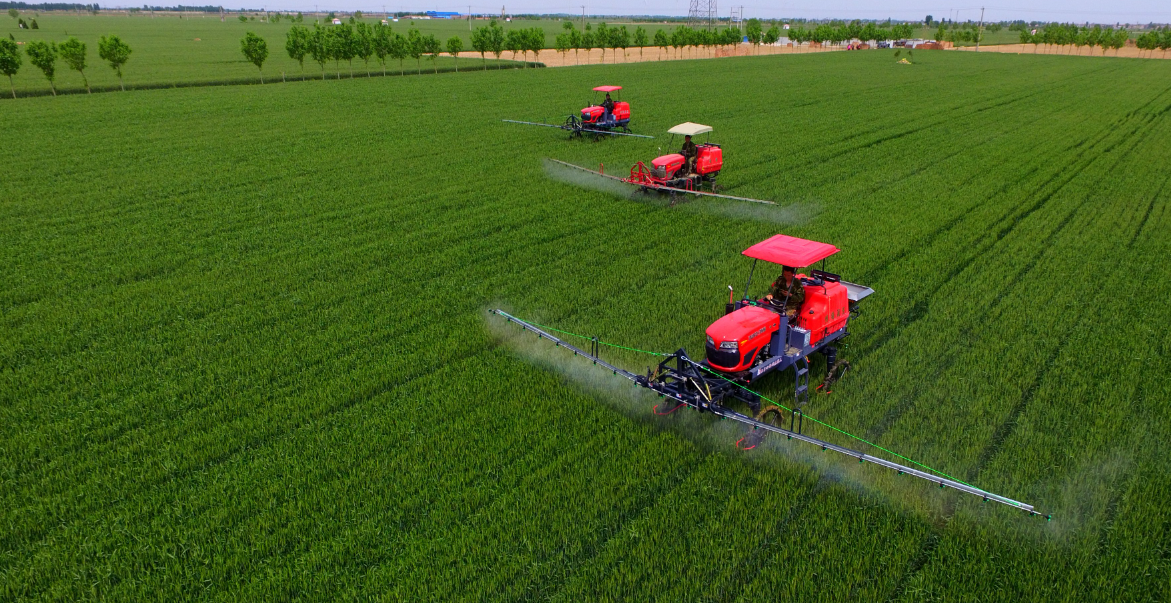
Trace element deficiencies are often observed in new growth tissues. Due to their low requirement and tendency to become fixed in the soil, foliar spraying is generally more effective than soil application. -
Strictly Control Dosage and Concentration
Crops require only minimal amounts of trace elements, and the margin between adequate and excessive levels is narrow. Over-application must be avoided to prevent plant toxicity and environmental pollution. When applying to soil, ensure even distribution. -
Focus on Improving Soil Environmental Conditions
Trace element deficiencies are often due to low availability rather than low soil content. Adjusting soil conditions such as pH, texture, organic matter content, and moisture levels can effectively improve the availability of trace elements. -
Combine with Macronutrient Fertilizers
Trace elements are as important and irreplaceable as macronutrients like nitrogen, phosphorus, and potassium. The application of trace element fertilizers can only achieve significant yield improvements when the plant's macronutrient requirements are adequately met.