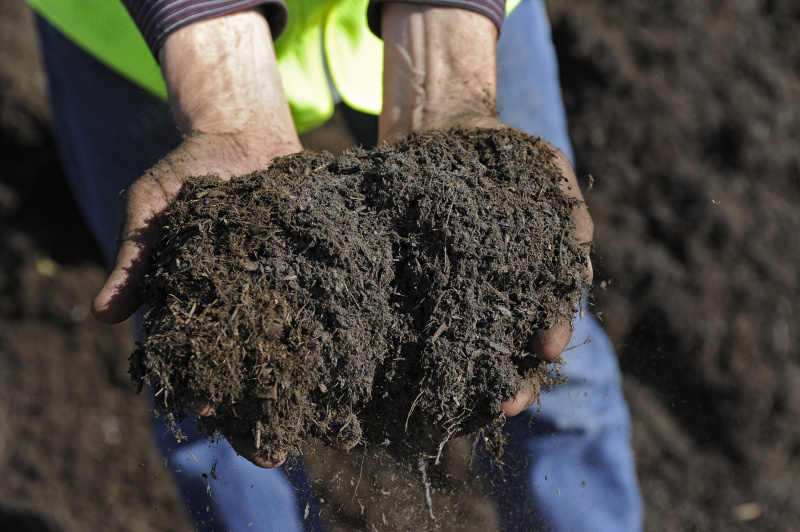
Organic Fertilizer: Organic fertilizer is a commonly used soil conditioner. It provides abundant organic matter, helps improve soil structure, and increases the soil's water and fertilizer retention capacity. Organic fertilizers include compost, green manure, and animal excrement, which release various nutrients needed by plants during decomposition.
Microbial Fertilizer: Microbial fertilizer contains a large number of beneficial microorganisms, such as nitrogen-fixing bacteria, phosphorus-solubilizing bacteria, and potassium-solubilizing bacteria. These microorganisms can multiply in the soil, promoting the establishment of beneficial microbial communities and inhibiting the growth of harmful pathogens, thereby improving the soil's micro-ecological environment.
Bio-Organic Fertilizer: Bio-organic fertilizer is a type of fertilizer that combines the effects of microbial fertilizer and organic fertilizer, composed of specific functional microorganisms and organic materials mainly derived from animal and plant residues (such as livestock and poultry manure and crop straw) that have undergone harmless treatment and composting.
Mineral-Sourced Fertilizer: For soils with a single soil composition and prone to mineral deficiency, rock powder can be added to supplement minerals.
The above fertilizers should be used in appropriate amounts, and their proportions and application should be determined based on local climate conditions and crop needs. Furthermore, to achieve the best soil improvement results, it is necessary to combine them with other soil management measures, such as crop rotation, deep tillage, and mulching.