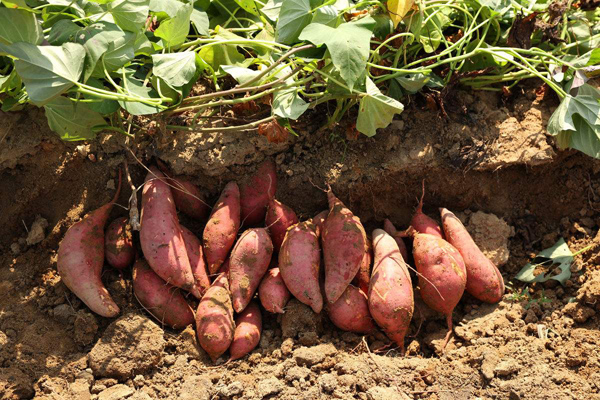
Sweet potatoes, also known as yams or sweet potatoes, are an important root vegetable, widely loved for their rich nutritional value and diverse ways of consumption. To achieve high yields in sweet potato cultivation, proper fertilizer selection and management are crucial. This article will explore in depth which fertilizers are best for achieving high yields in sweet potato cultivation.
I. Nutrient Requirements of Sweet Potatoes During the growth process, sweet potatoes have a relatively high demand for nitrogen, phosphorus, and potassium, with potassium being particularly important. In addition, sweet potatoes also have certain requirements for medium-level elements such as calcium, magnesium, and sulfur, as well as micronutrients such as zinc, iron, and boron. Understanding the nutrient requirements of sweet potatoes helps us to choose fertilizers rationally.
II. Commonly Used Fertilizer Types and Their Characteristics
1. Organic Fertilizers: Organic fertilizers are rich in various nutrients and have the function of improving soil and increasing soil fertility. Common organic fertilizers include farmyard manure and livestock manure. The application of organic fertilizers can improve soil structure, enhance soil water and fertilizer retention capacity, and is beneficial to the growth and development of sweet potatoes. 2. Chemical Fertilizers: Chemical fertilizers are characterized by high nutrient content and rapid effect, making them commonly used in sweet potato cultivation. Commonly used chemical fertilizers include nitrogen, phosphorus, and potassium fertilizers. Applying chemical fertilizers can meet the nutrient needs of sweet potatoes at different growth stages, promoting growth and increasing yield.
3. Bio-fertilizers: Bio-fertilizers are fertilizers produced through microbial fermentation or biosynthesis, featuring environmental friendliness, safety, and high efficiency. Bio-fertilizers can improve the soil's micro-ecological environment, enhance soil biological activity, and promote the absorption and utilization of nutrients by sweet potatoes.
III. Selection and Management of High-Yield Fertilizers for Sweet Potatoes
1. Base Fertilizer Application: Before planting sweet potatoes, sufficient base fertilizer should be applied to provide the nutrients needed throughout the entire growth period. Base fertilizer should primarily consist of organic fertilizer, supplemented by chemical fertilizer. The amount of organic fertilizer applied should be determined based on soil fertility, planting density, and other factors, generally 2000-3000 kg of farmyard manure per acre. 1. **Fertilizer Application:** The amount of fertilizer applied should be determined based on soil nutrient status and the nutrient requirements of the sweet potatoes. Generally, 50-100 kg of compound fertilizer per mu (approximately 0.067 hectares) is recommended.
2. **Topdressing:** During the sweet potato growth period, topdressing should be applied according to the growth status of the sweet potatoes and the soil nutrient status. Topdressing should primarily consist of potassium fertilizer, supplemented by nitrogen and phosphorus fertilizers. The amount of potassium fertilizer applied should account for 60%-70% of the total potassium fertilizer applied during the entire growth period to meet the high potassium requirements of the sweet potatoes. The application amounts of nitrogen and phosphorus fertilizers should be determined based on soil nutrient status and the growth status of the sweet potatoes.
3. **Foliative Spraying:** In the later stages of sweet potato growth, foliar spraying can supplement nutrients and improve the yield and quality of the sweet potatoes. Foliar sprays can use fertilizers such as potassium dihydrogen phosphate and urea, applied every 7-10 days, for 2-3 consecutive applications.
IV. **Precautions for Fertilizer Application:**
1. Fertilizer should be applied evenly to avoid over-concentration, which could burn the sweet potato roots. 2. Fertilizer application should be timely to avoid insufficient or excessive nutrient supply, which can negatively impact the normal growth of sweet potatoes.
3. Organic and chemical fertilizers should be used in combination to maximize their combined effects.
4. Foliar fertilization should be applied at appropriate times and concentrations to avoid damaging sweet potato leaves.
In conclusion, proper fertilizer selection and management are crucial for achieving high-yield sweet potato cultivation. During fertilization, the type, dosage, and application method of fertilizer should be determined based on the nutrient requirements of the sweet potatoes, soil fertility, and fertilizer characteristics to provide sufficient nutrient support for the growth and development of sweet potatoes. At the same time, attention should be paid to the timing and method of fertilizer application to avoid damaging the sweet potatoes. Through scientific fertilizer management, we can effectively improve the yield and quality of sweet potatoes, contributing to the development of agricultural production.